I was invited to Naples for the annual formal dinner, the “Sea Bee” Ball. It is a celebration marking the birthday of the United States Navy Seabees, established on March 5, 1942. The previous year, I attended and met some fabulous people, and it gave me an excuse to dress up super formally; I loved every moment of it.
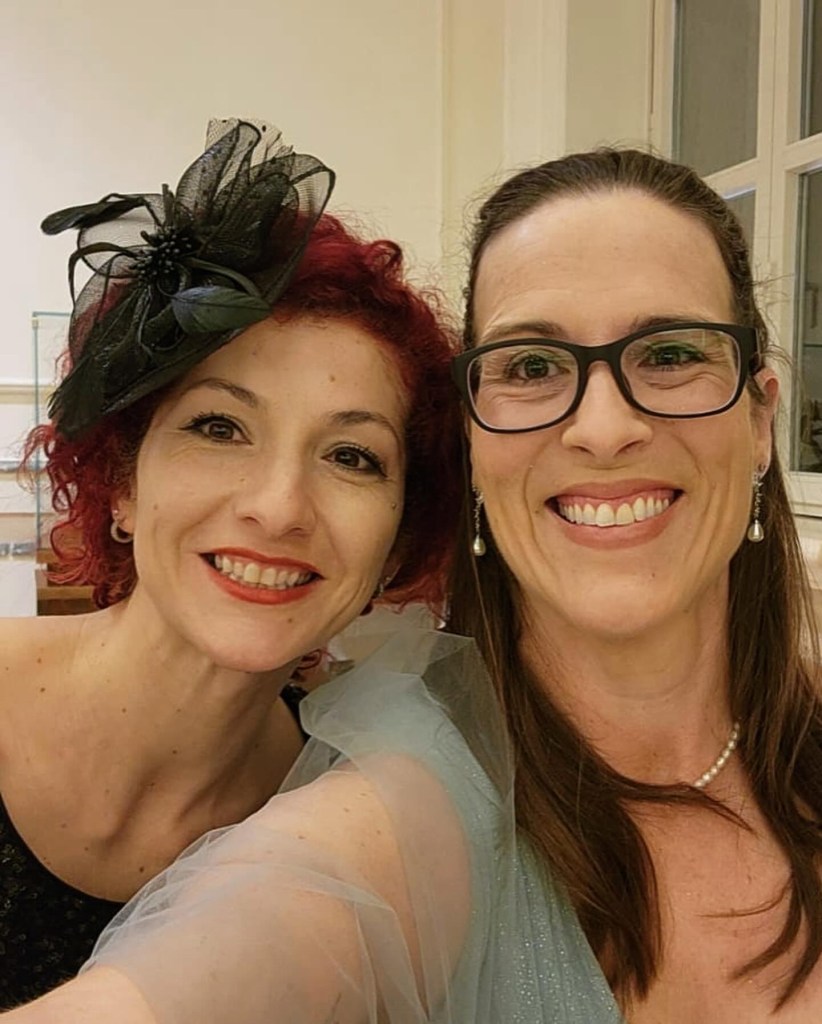
However, this year took a sudden left turn; as things were heating up in the Middle East, it was a better idea for Americans abroad not to congregate. I still continued on with my plans to visit my bestie friend in Naples and take a break from being an around-the-clock nurse for my father-in-law and being the primary parent.
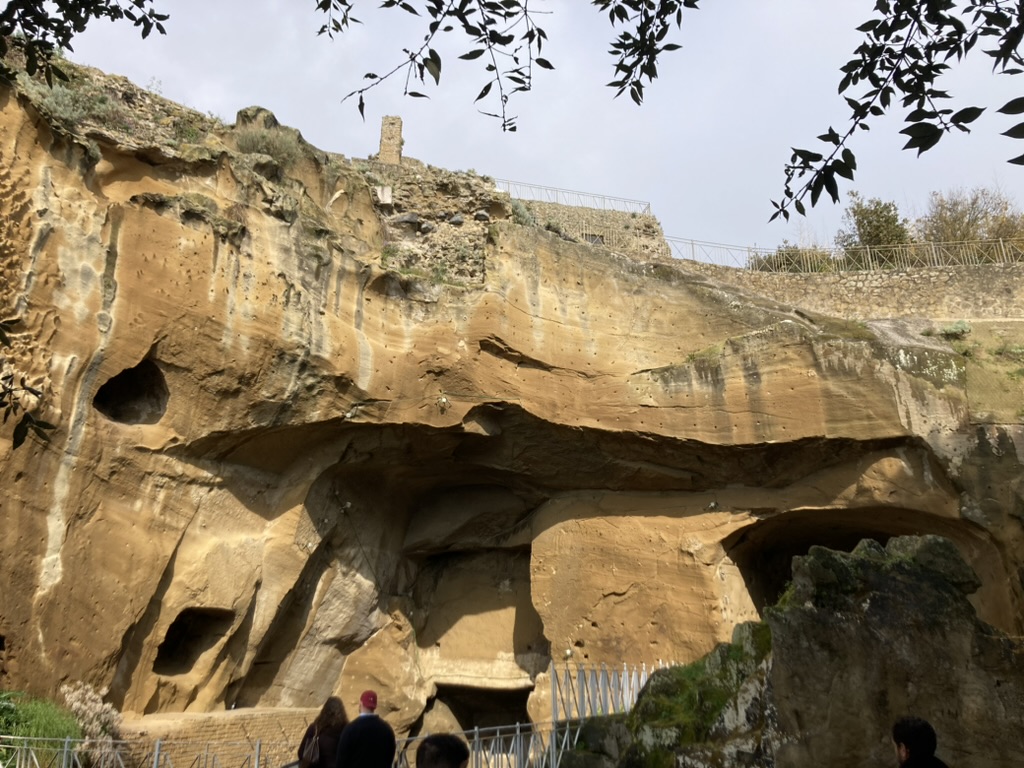
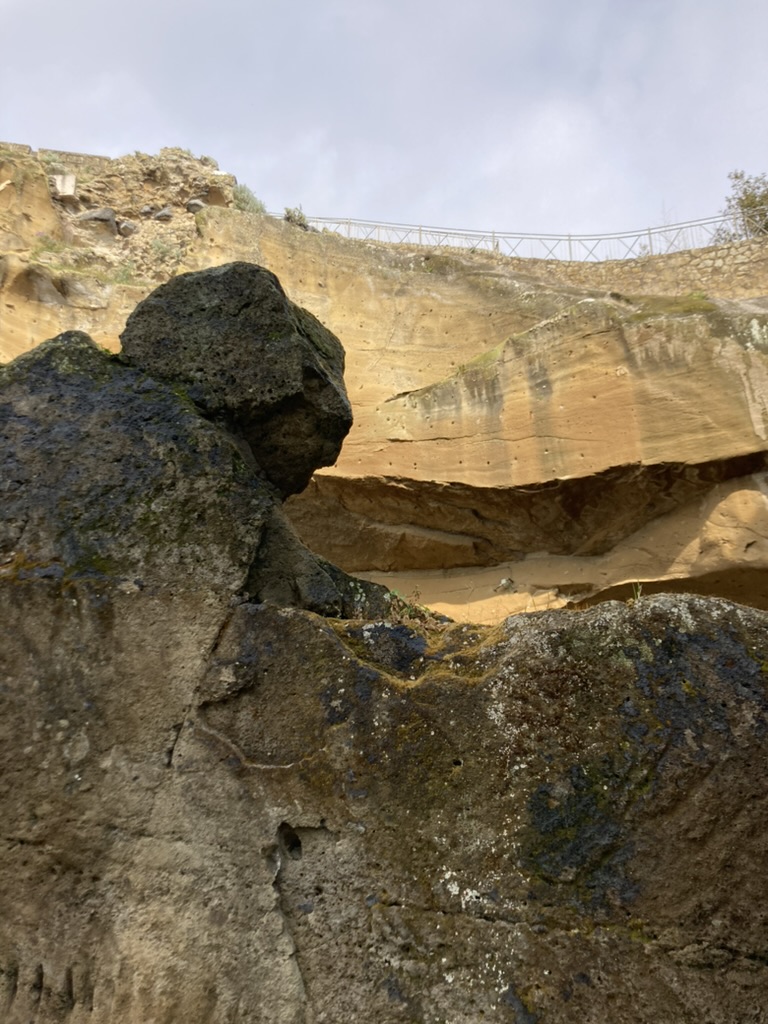
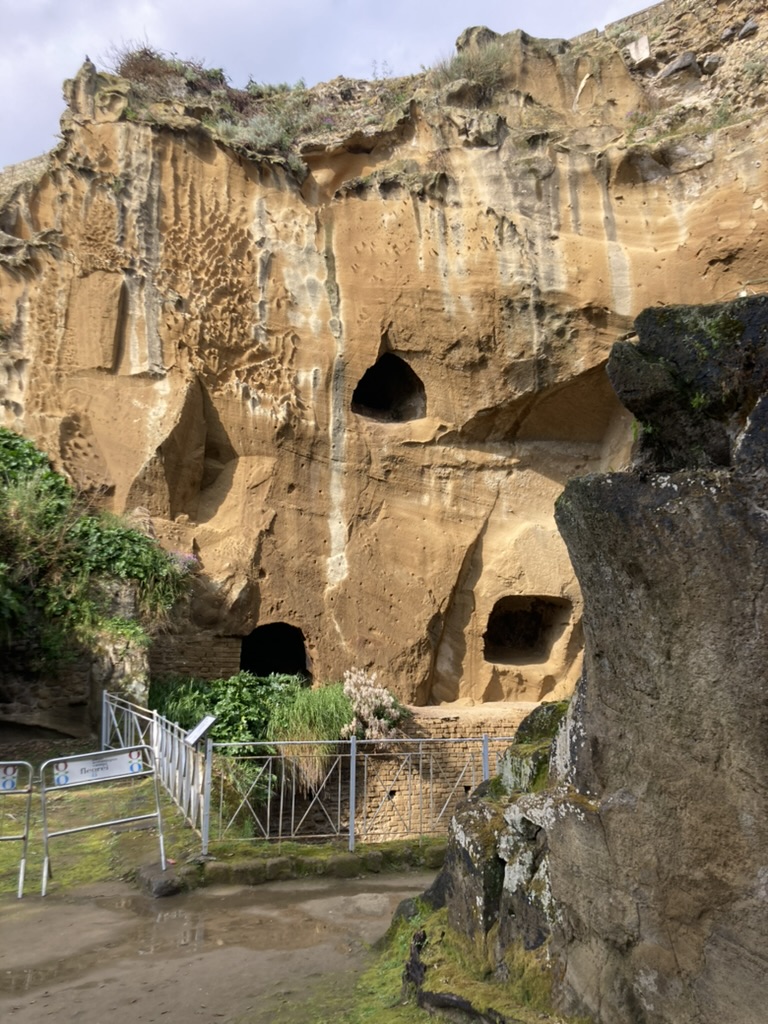
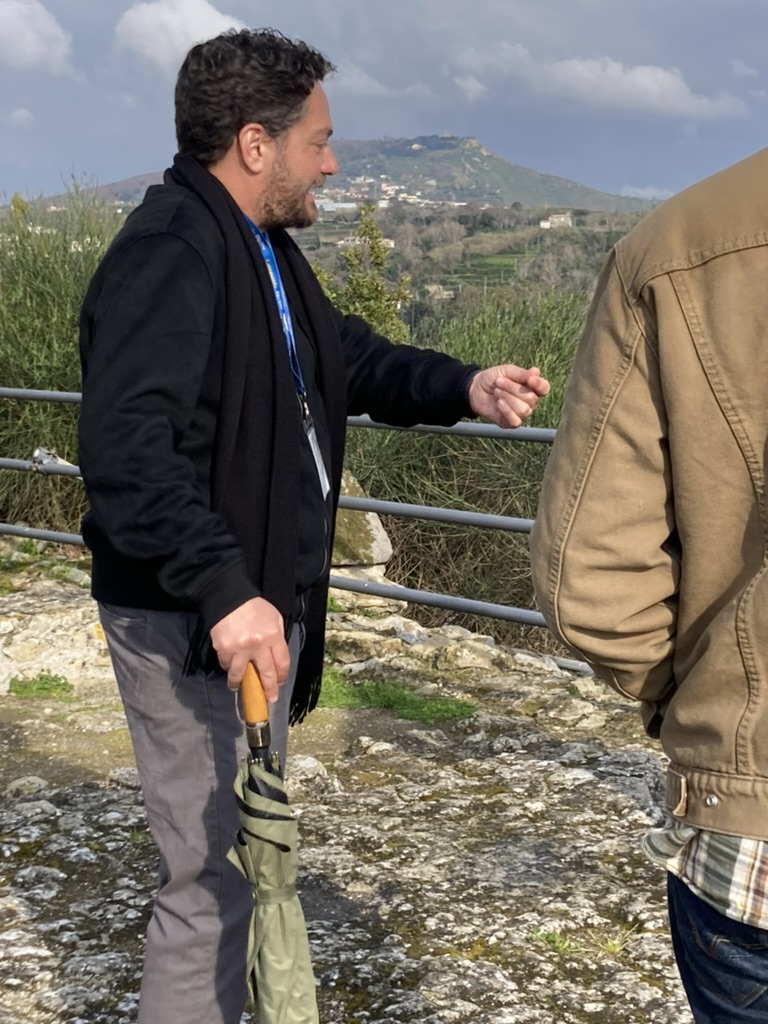
This year we were laying low on the festivities, but another dear friend had booked an archaeological dig tour in Cuma. The weather was having its own way with us, but in the end the rain subsided, and we were able to walk around the ruins and do our private tour. It was magical; certain parts of the park were closed off, but we were enriched with the knowledge of Raffaele Romano.
( http://naplesgrandtour.com/)
It is one thing to do a tour with someone just trying to get through their day; it is another world when someone is so passionate about their job and wants you to grasp what shakes them to their core for what they sustain on a daily basis, and what they believe and love so wholeheartedly.
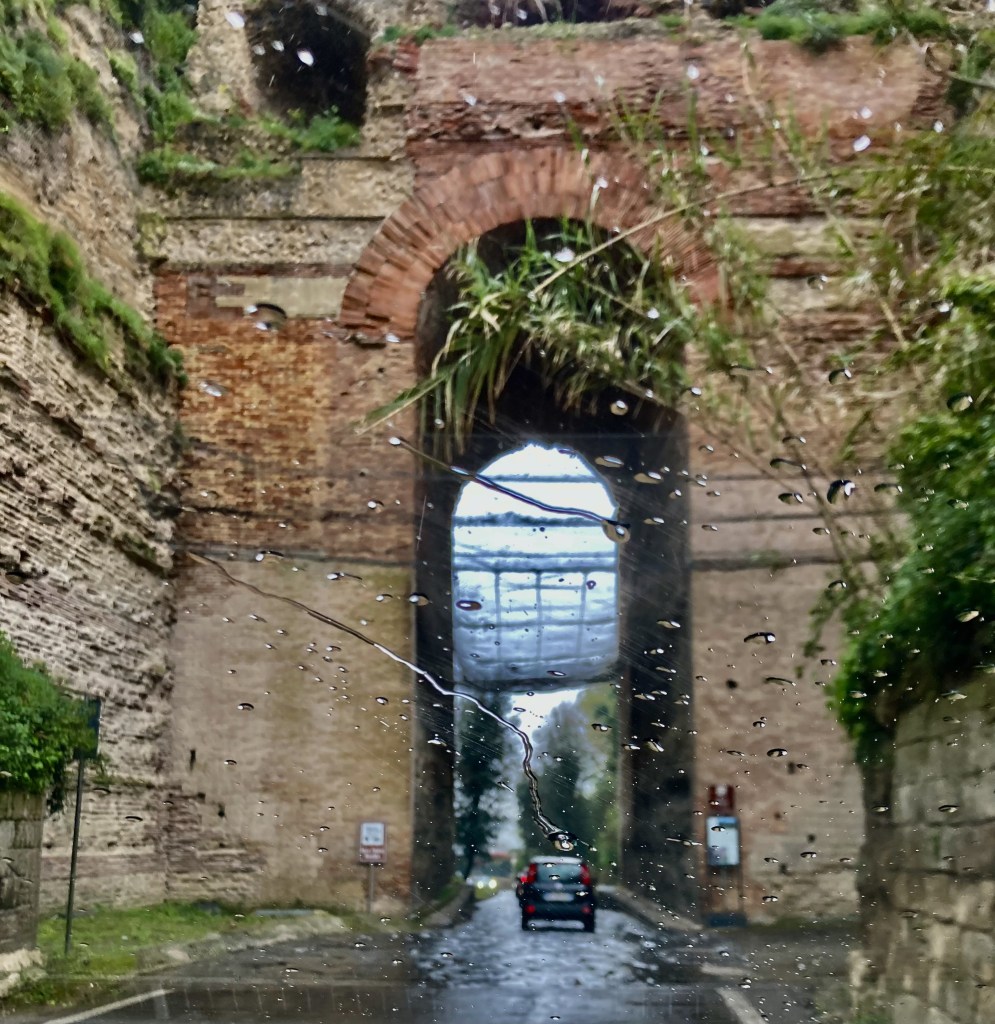
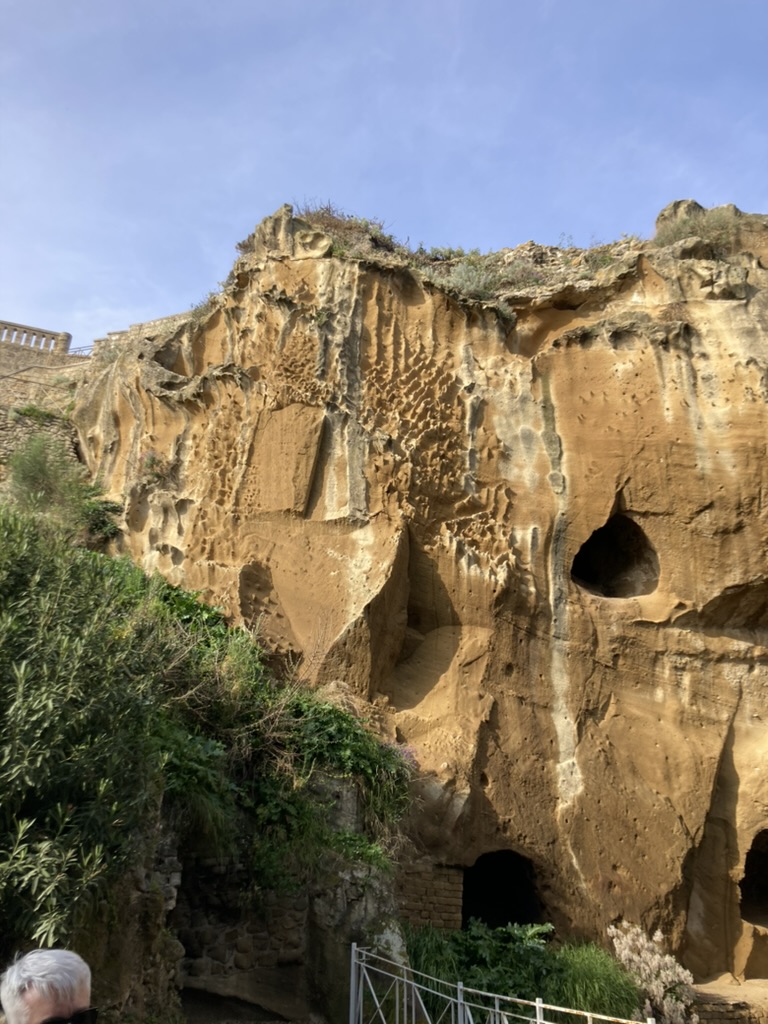
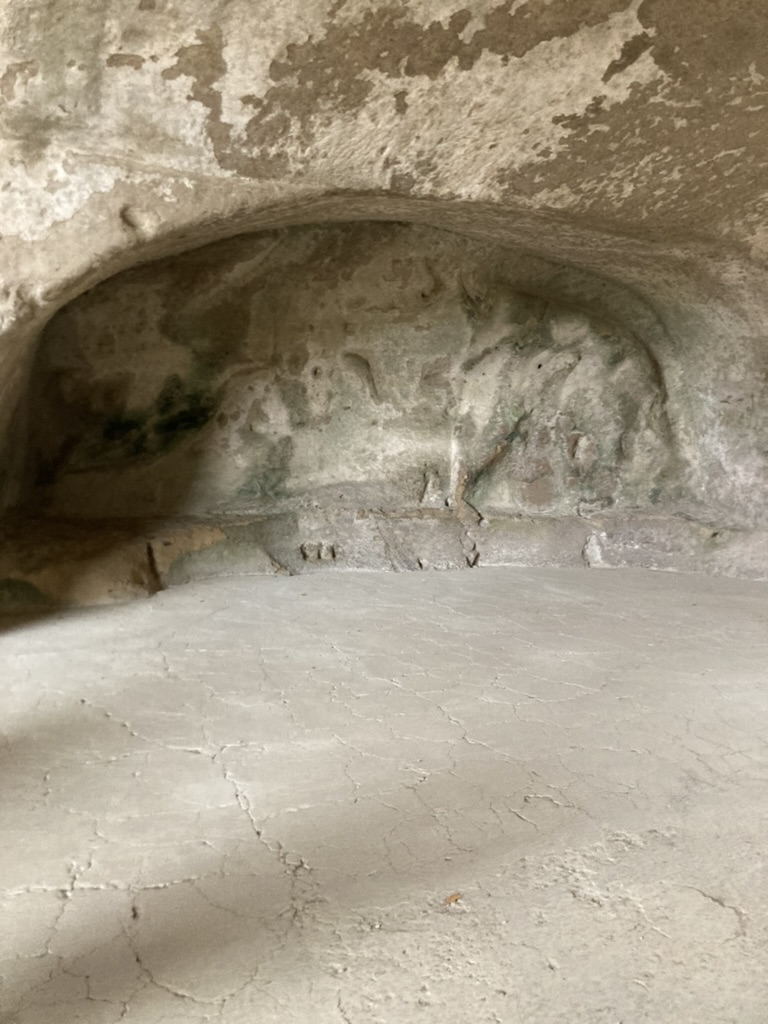
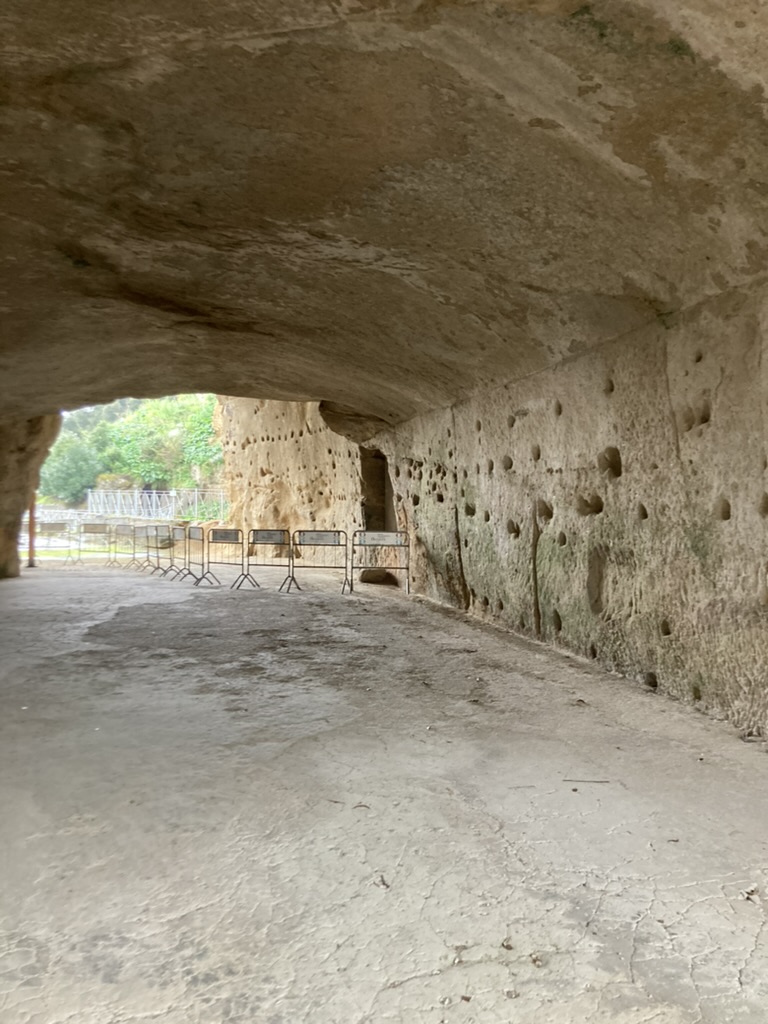
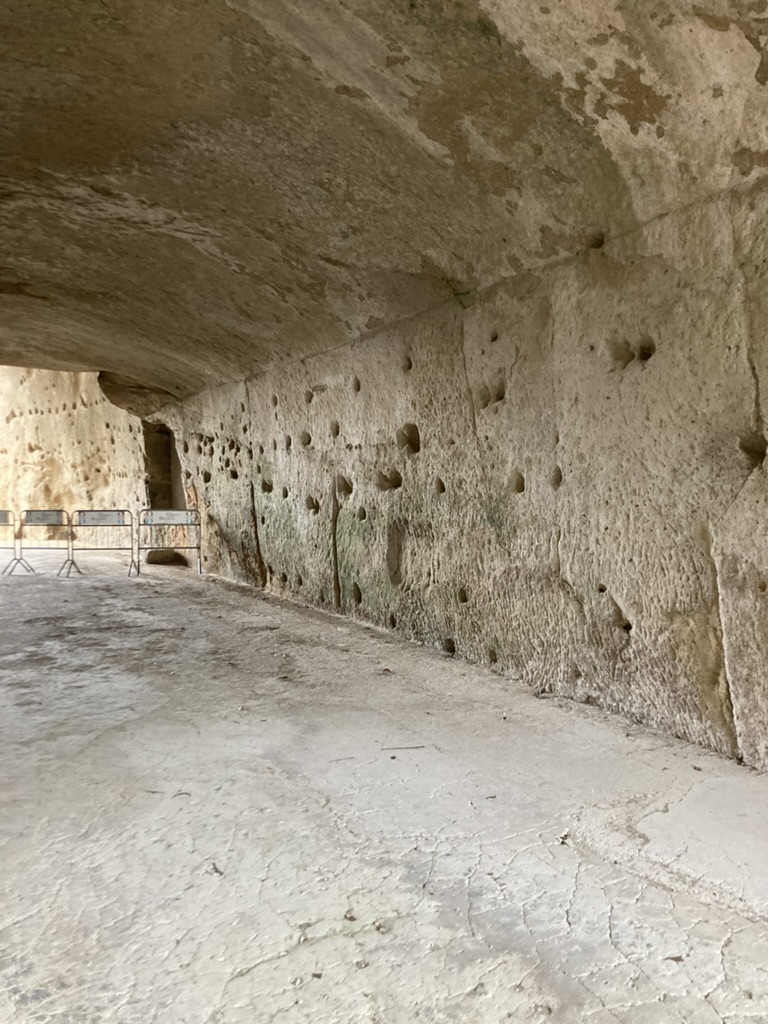
Tucked away in Campi Flegrei near Naples, Cuma is one of Italy’s oldest Greek settlements founded around 750 BCE. But this isn’t just a pile of ancient rocks– it’s a place of myths, mysteries, and a legendary fortune-teller.
Sibyl of Cumae, the priestess who supposedly predicted the future and whose story made it into Virgil’s Aeneid. She was associated with Apollo, the Greek god of prophecy (basically, Apollo wanted to get in her pants), who granted her a long life-but she famously forgot to ask for eternal youth. So, she continued to age and withered away; the only thing left was the whispers of her voice. Several people would come to visit the oracle for answers about their fate, trusting the prophecies revealed.
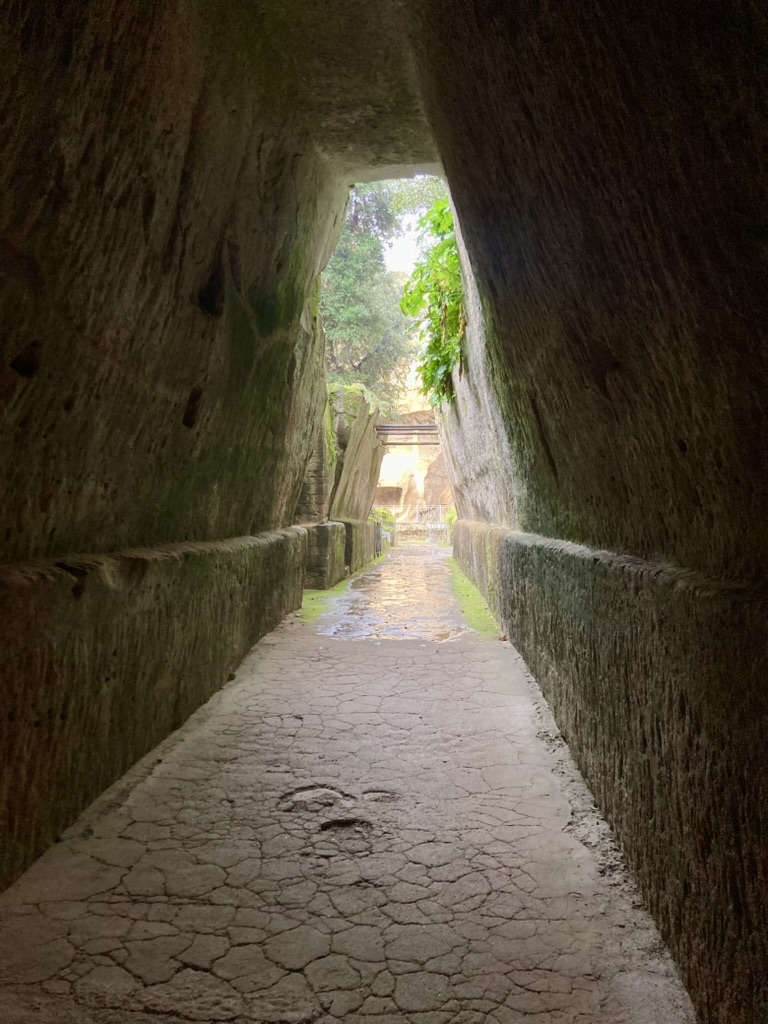
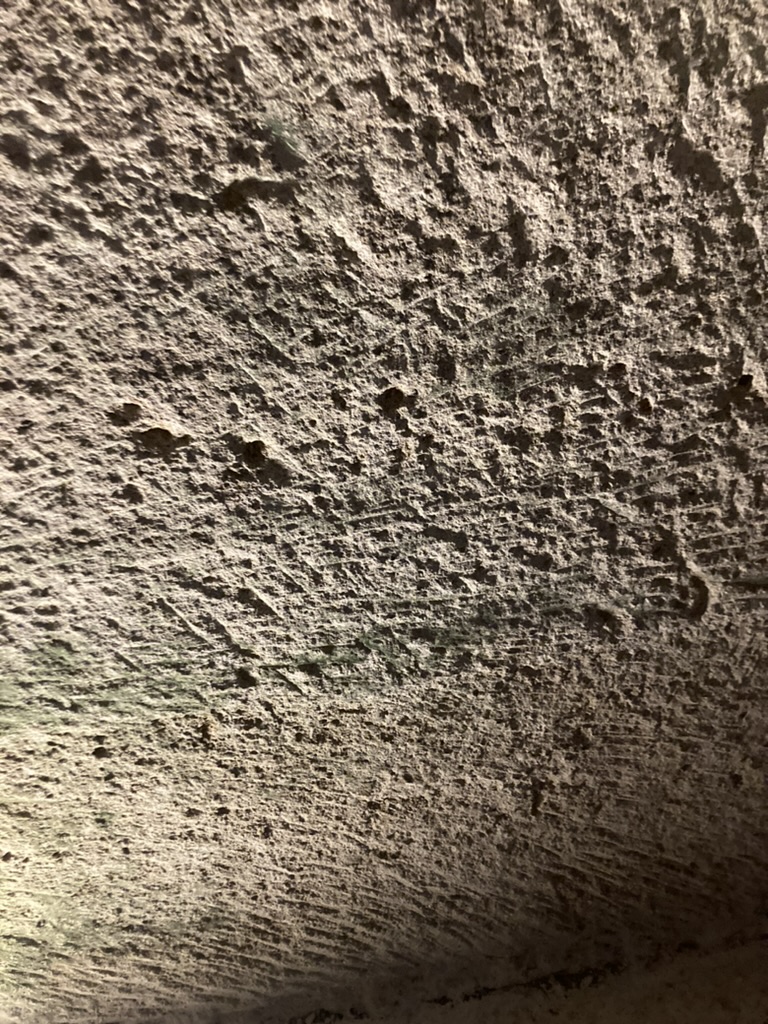
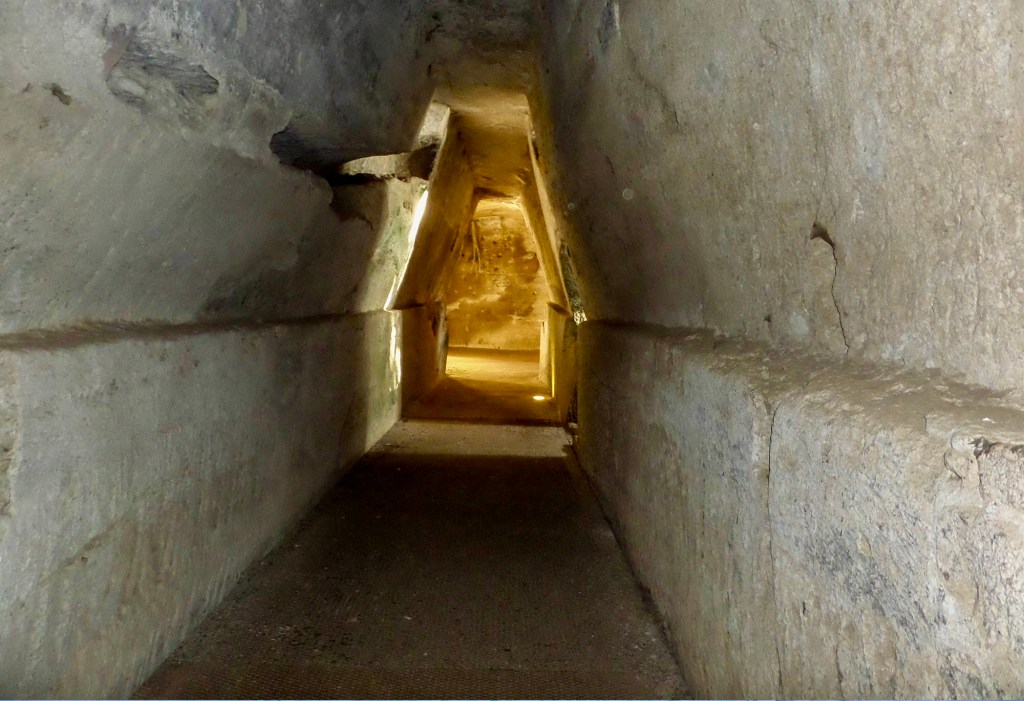
The beauty of Naples and most of Southern Italy is that it has so many Greek, Middle Eastern, and African influences. Our tour guide said something that really stuck with me to this day that I find super fascinating,
N A P O L I … NAPOLI, Napoli….
Na meaning New,
Poli meaning acropolis…
Napoli means New Acropolis. My mind low-key exploded.
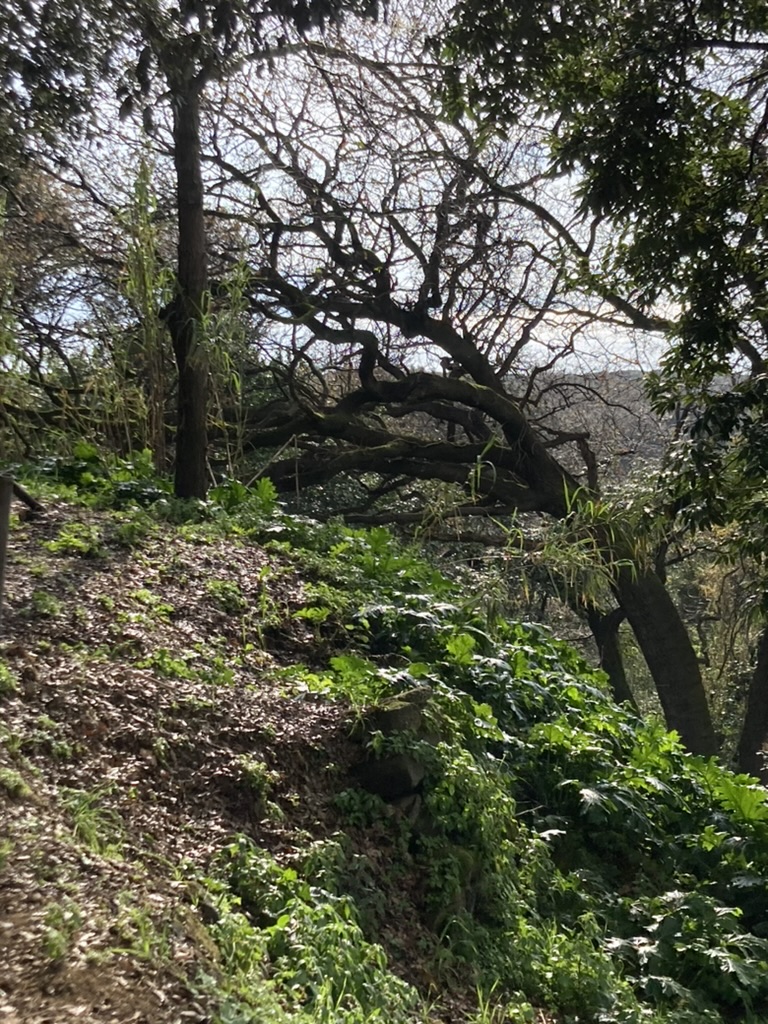
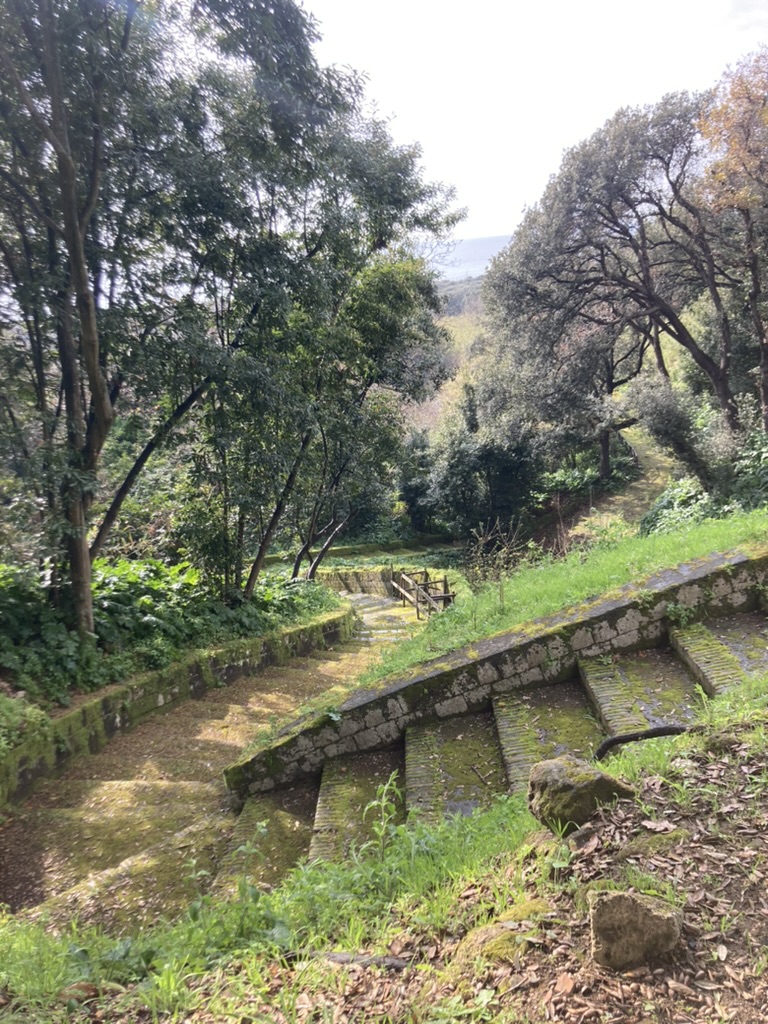
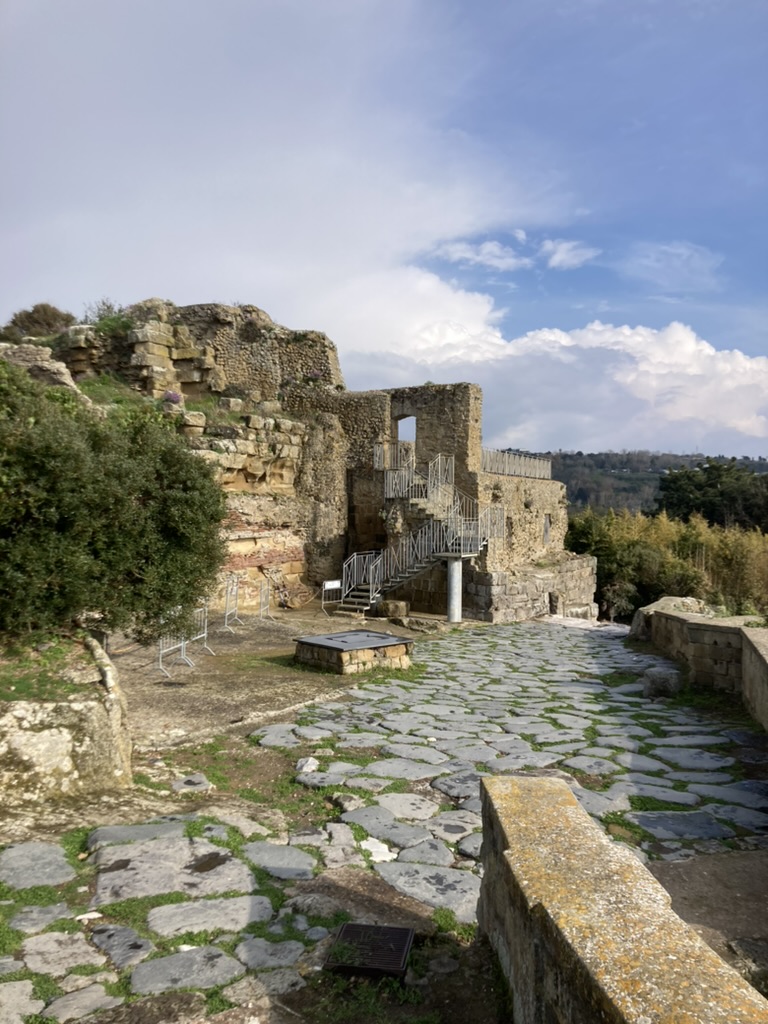
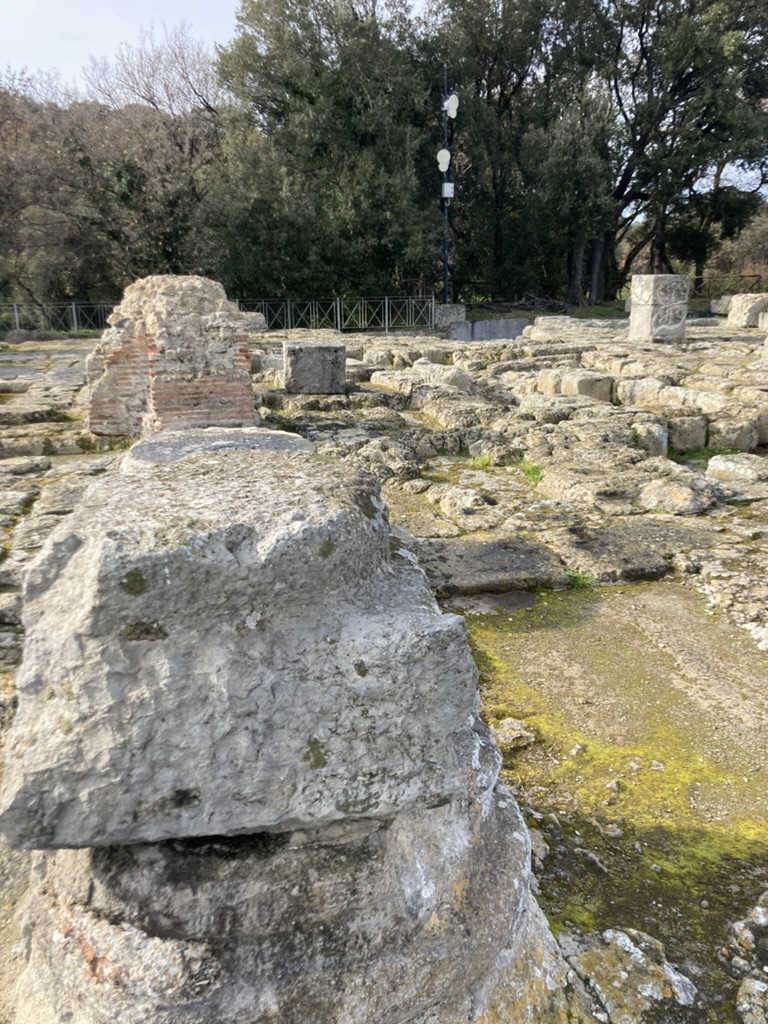
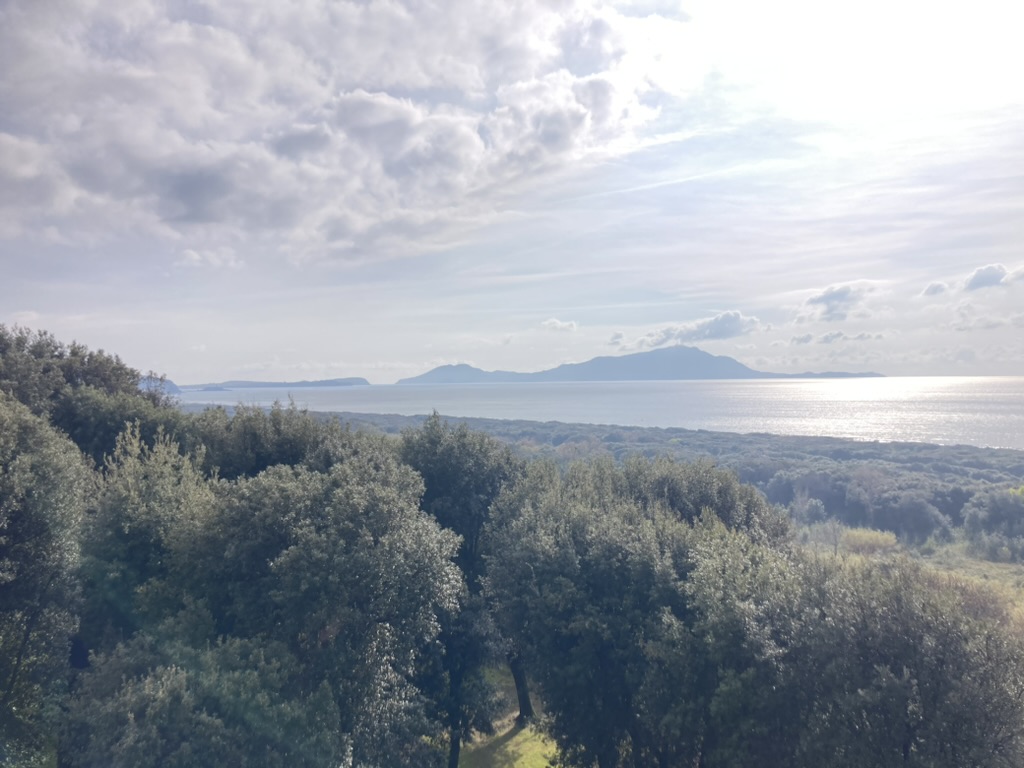
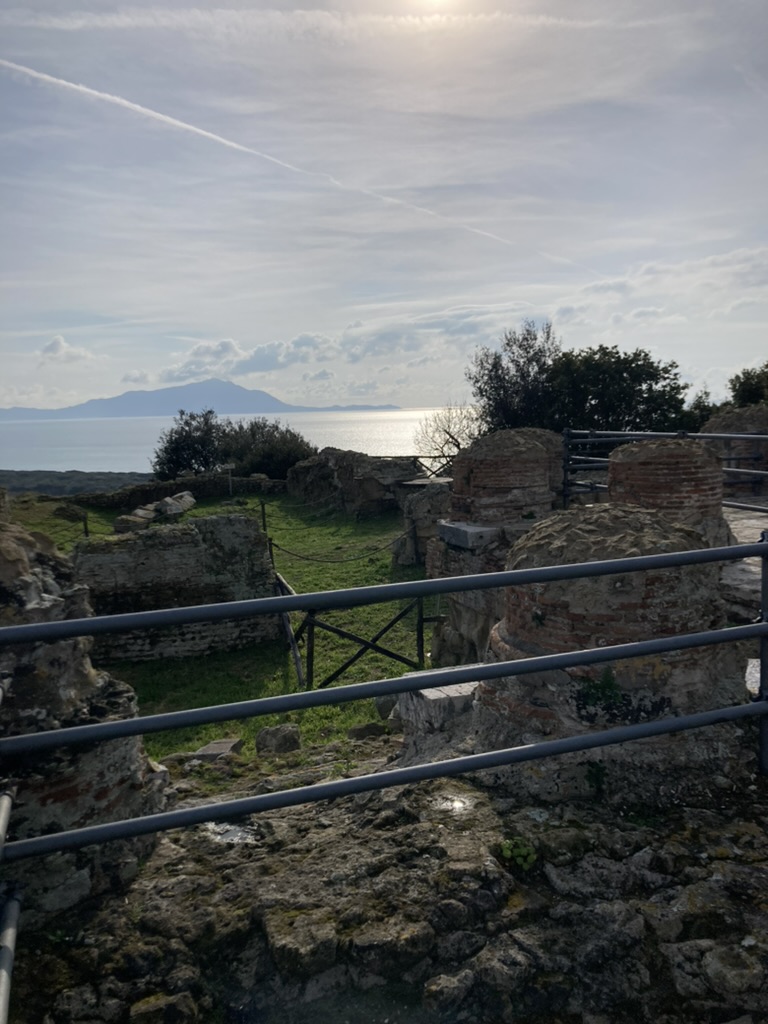
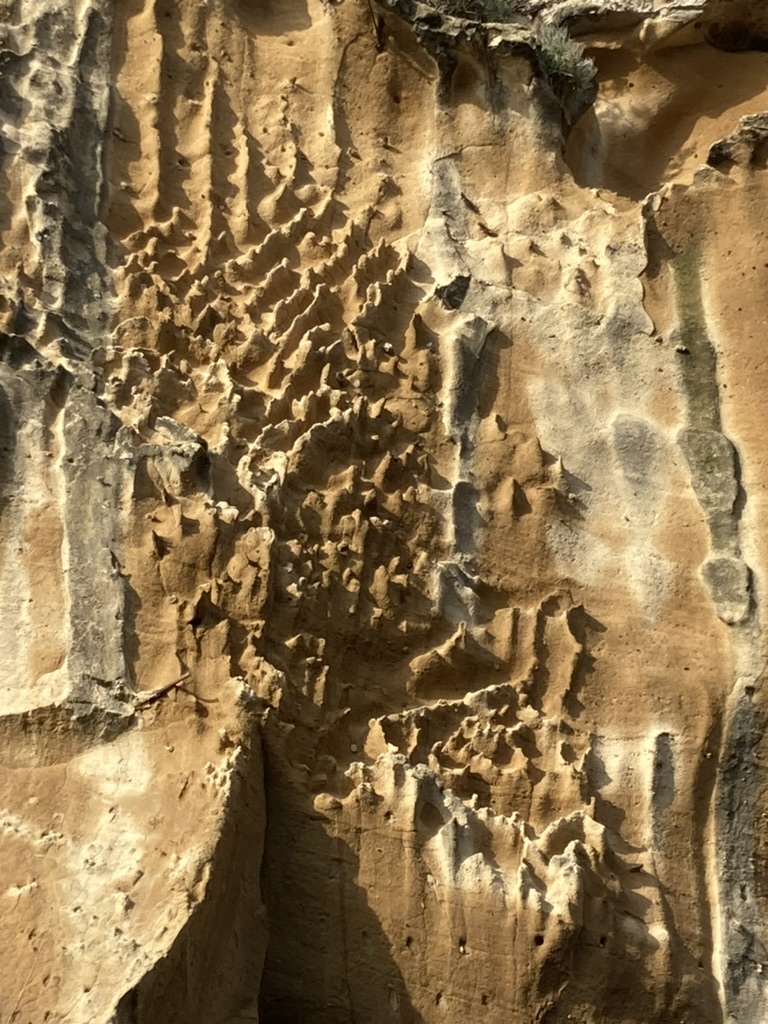
We climbed out of the caves to see the remnants of the monuments built to honor Apollo. Ruled successively by the Greeks, Samnites, and then the Romans, you could see by the way the stones were positioned and the markings on the stones. The view was beautiful; we had a visible view of the volcanic panorama in the Bay of Naples.
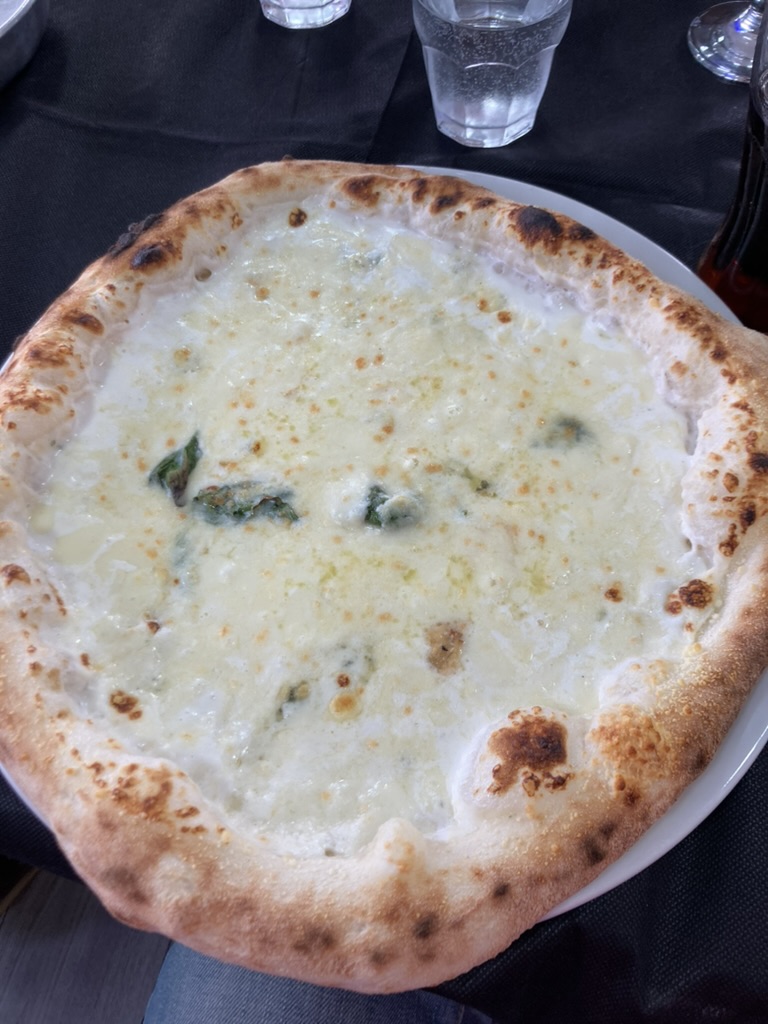
Highly recommend visiting this site if you can! Then reward yourself with Neopolitan pizza afterwards!